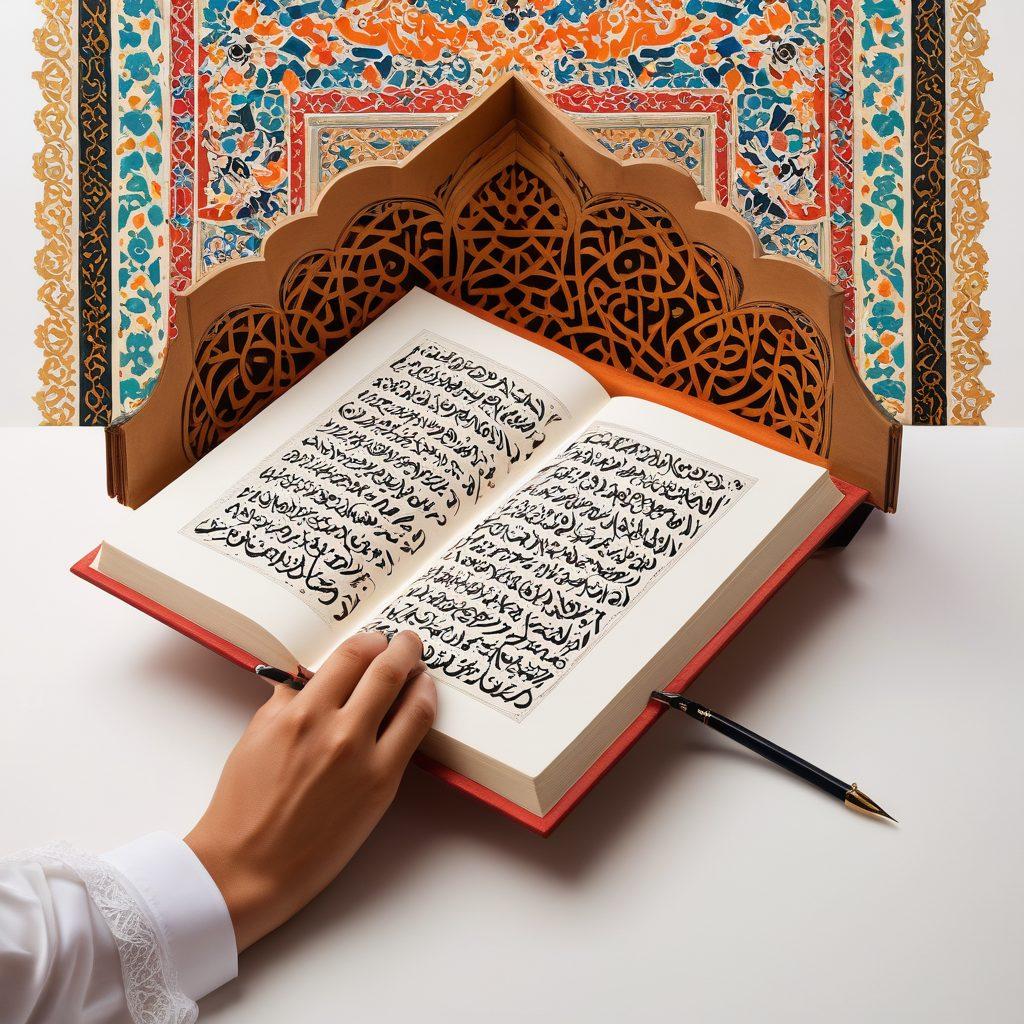
Mastering Arabic Grammar: A Comprehensive Guide for Beginners and Beyond
Welcome to the fascinating world of Arabic grammar! If you’ve ever found yourself lost in the beautiful intricacies of the Arabic language, you’re not alone. Arabic syntax is a labyrinth of rules and patterns that can feel daunting at first. However, unlocking the secrets to mastering this linguistic structure doesn’t have to be an overwhelming task. Imagine confidently structuring sentences and expressing your thoughts in Arabic with ease. With the right guide and some motivation, you can navigate your way to becoming proficient in Arabic grammar!
Let's address the elephant in the room: why is Arabic grammar so essential for learners? Well, understanding grammar rules is like having a road map for your linguistic journey. It gives you a framework for building Arabic sentences that are clear and effective. Think of a painter preparing a canvas—grammar provides the structure that allows language learners to create vivid expressions. Just as the English say, 'The devil is in the details,' so too in Arabic, attention to grammar can elevate your writing and speech from basic to impressive. Have you ever wondered how a slight change in sentence structure can completely alter meaning? That’s the beauty of Arabic syntax!
Diving into Arabic morphology, we find that it’s not just about verbs and nouns, but how they interact and adapt to formulate meaning. This complex dance of prefixes, roots, and suffixes not only enriches Arabic vocabulary but also enhances comprehension. As you study Arabic, pay attention to how the language’s rich history and cultural nuances influence its grammatical rules. It’s fascinating to discover how the Arabic language has evolved over centuries and how present-day modern standard Arabic and various Arabic dialects coexist and enrich one another. Still wondering how you can navigate this captivating world of Arabic linguistics?
Here’s where effective Arabic writing comes into play! Start your journey with a beginner's guide to Arabic by incorporating practical grammar tips that enhance your learning experience. Whether you’re indulging in online Arabic courses, watching Arabic language tutorials, or practicing Arabic conversation skills, remember that consistency is key. Engage with resources tailored to your learning style, be it through interactive exercises, vocabulary drills, or speaking practice with native speakers. The excitement of learning is not just about memorizing rules but applying them in real conversations!
Finally, don't underestimate the fun aspect of learning grammar! Embrace Arabic idioms and expressions that reflect the culture. Share your new knowledge with others on a language blog or through discussions in online forums. Remember, every expert was once a beginner; keep pushing forward despite the challenges that emerge in the study of Arabic. As you delve deeper, you’ll realize that with each small victory in mastering Arabic grammar, you are not just learning a language—you’re immersing yourself in a rich tapestry of history, culture, and expression. So, ready to embark on an exciting adventure in Arabic language education? Let's get started!
From Basics to Brilliance: Navigating the World of Arabic Morphology and Phonetics
Navigating the complex landscape of Arabic grammar can feel a bit like wandering through a maze—exciting yet daunting. If you're a novice or somewhat familiar with the Arabic language, you may find yourself wondering, 'Where do I even begin?' In this journey from basics to brilliance, we will explore the fundamental aspects of Arabic phonetics and morphology, two pivotal pillars that underpin the intricacies of Arabic grammar. Whether you're here seeking to improve your Arabic writing skills, enrich your vocabulary, or gain a deeper understanding of linguistic structures, you’re in the right place. Let's unlock the doors of language education together!
Arabic morphology and phonetics are foundational elements of studying Arabic that every learner should embrace. Morphology, the study of the structure of words, and phonetics, the sounds of speech, are like the rhythm and melody of a beautiful song. According to renowned linguist Noam Chomsky, 'The essence of language is its structure.' This couldn’t be truer in Arabic, where grammar rules dictate the very fabric of expression. Imagine the satisfaction of knowing that with a solid grasp of morphology, you can not only form verbs and nouns but also navigate through various Arabic dialects effortlessly!
Have you ever come across a phrase in Arabic and thought, 'What does that actually mean?' Understanding Arabic sentence structure, especially in Modern Standard Arabic and classical Arabic, is crucial for clarity and effective communication. Perhaps you want to impress a native speaker with your Arabic conversation skills or simply indulge your curiosity about Arabic idioms. When you learn Arabic grammar, you're not just memorizing rules; you're entering a whole new world of cultural nuances. How exciting is that?
As you dive deeper into this grammar blog, you'll discover that Arabic vocabulary is not just a list of words; it’s an expression of identity and culture. Every verb conjugation and noun case carries meaning beyond its immediate definition. Pro tip: engage with Arabic language resources that free your mind from rigid study methods. Try online Arabic courses or Arabic language tutorials that focus on practical applications—think slang, idioms, and contextual conversations. This kind of learning will make your Arabic journey feel more relatable and authentic.
The path toward mastering Arabic is not a sprint; it’s a marathon! Embrace the challenge of advanced Arabic grammar with a can-do attitude, and remember that language learning is a lifelong journey. As with any skill, consistent practice will lead you to fluency. Dedicate time to playing around with grammar tips, experimenting with sentence structures, and developing your Arabic pronunciation. So, are you ready to explore the enchanting world of Arabic morphology and phonetics? You're equipped to turn those basics into brilliant conversations!
Enhancing Your Arabic Writing: Essential Rules and Tips for Effective Communication
Have you ever felt the struggle of expressing your thoughts clearly when writing in Arabic? You're not alone! Many learners of the Arabic language encounter challenges with Arabic grammar that can hinder their ability to communicate effectively. Mastering the essential grammar rules is fundamental to enhancing your Arabic writing skills. In this blog post, we'll dive into some key principles of Arabic grammar and linguistic structure that will empower you to articulate your ideas with precision. So, grab your notebook, and let’s embark on this journey toward effective Arabic writing!
When you start to learn Arabic grammar, it often feels like trying to decode an intricate puzzle. Arabic writing is filled with unique twists, from phonetics to syntax and morphology. As a beginner's guide to Arabic, it’s important to understand that every sentence has its own melody. This includes knowing how to use subject-verb-object order, the agreement of gender and number, and the correct placement of modifiers. Just remember the famous quote, "Language is the blood of the soul into which thoughts run and out of which they grow." This is especially true in Arabic, where grammar rules breathe life into your communication.
One of the most effective Arabic writing tips is to practice regularly. Whether you’re writing essays or keeping a diary in Arabic, daily practice can reinforce your knowledge of grammar rules and vocabulary. Incorporate online Arabic courses and language tutorials into your routine to help solidify your understanding of concepts like Arabic sentence structure and styles of writing. Additionally, engaging with Arabic dialects helps build a broader vocabulary, enabling you to express yourself more freely and creatively! What are some of your favorite topics to write about in Arabic?
It's essential to familiarize yourself with Arabic idioms and phrases that can enrich your writing. Being aware of the nuances of modern standard Arabic and classical Arabic can significantly elevate your prose, making your communication more relatable and compelling. Consider this: Have you ever read a piece of writing that effortlessly whisked you away into another world? That’s the magic that well-thought-out Arabic writing can achieve. Keep exploring language education resources that delve into advanced Arabic grammar and phonetics, helping you understand how sounds and meanings work together in the Arabic language.
Lastly, don’t forget the power of community in your Arabic language learning journey. Engaging with fellow learners can spark discussions about grammar tips and provide you with instant feedback on your writing. Consider joining a language blog or a local study group. The journey to mastering Arabic writing is ongoing, but by grasping these essential rules and practicing consistently, you're setting yourself up for success. So, what are you waiting for? Let’s transform your Arabic conversation skills from good to great and express your ideas with flair!